West Asia War: Iran Denies US Sanctions Relief Impact On Oil Supply, Says No Crude Available For Markets
· Free Press Journal
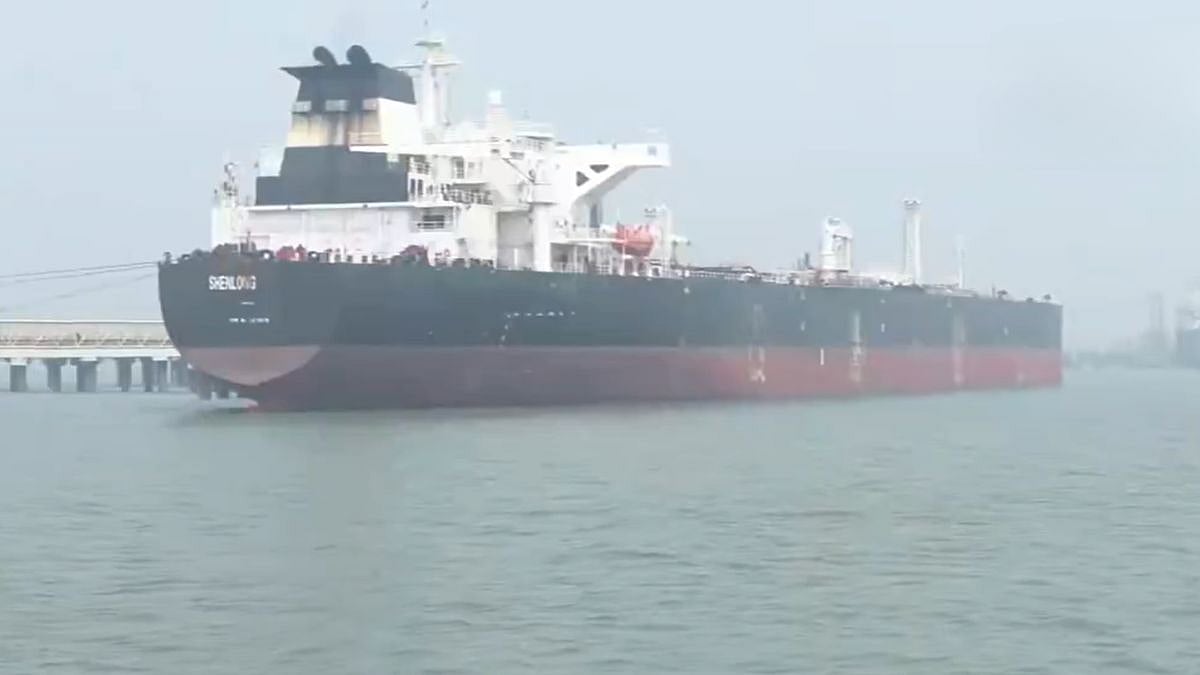
Iran's Oil Ministry has contradicted the US move to ease sanctions on Iran crude oil which is loaded on vessels as of March 20.
In a statement issued by Iran's consulate in Mumbai it was said, "At present, Iran essentially has no floating crude or surplus available for international markets. The U.S. Treasury Secretary's remarks appear aimed at reassuring buyers and managing market sentiment."
Visit casino-promo.biz for more information.
Markets Remain Volatile Amid Conflicting Signals
The denial from the Iranians could further spook an already volatile market that has seen Crude Oil prices spike as the West Asia conflict is poised to enter its fourth week.
Earlier, the United States on Friday (local time) announced temporarily easing of sanctions on Iranian-origin crude oil and petroleum products up until April 19 this year, including permitting the sale of Iranian crude and refined products into the United States.
The details of the decision were provided by a statement from the US Department of the Treasury's Office of Foreign Assets Control, which authorised the delivery and sale of crude oil and petroleum products of Iranian-origin, which is loaded on vessels as of March 20.
Waiver Valid Till April 19, 2026
The statement noted 19 April, 2026 as the date till which the exceptions would exist on Iranian-origin crude oil and petroleum products.
It said that with certain exceptions, "All transactions prohibited by the above-listed authorities that are ordinarily incident and necessary to the sale, delivery, or offloading of crude oil or petroleum products of Iranian origin loaded on any vessel, including vessels blocked under the above-listed authorities, on or before 12:01 am eastern daylight time, March 20, 2026 are authorized through 12:01 a.m. eastern daylight time, April 19, 2026."
Imports Into US Also Permitted
The statement noted that the transactions authorised by the license also include the import of Iranian-origin crude oil and petroleum products into the United States.
Earlier in a post on X, US Treasury Secretary Scott Bessent had announced a temporary authorisation permitting the sale of Iranian oil currently stranded at sea, aimed at stabilising global energy markets.
— Treasury Secretary Scott Bessent (@SecScottBessent) March 20, 2026
Short-Term Move To Ease Supply Pressure
He called it a "narrowly tailored, short-term authorization permitting the sale of Iranian oil currently stranded at sea."
Highlighting the rationale behind the decision, Bessent noted that the measure would help ease supply pressures.
140 Million Barrels Estimate Cited
"At present, sanctioned Iranian oil is being hoarded by China on the cheap. By temporarily unlocking this existing supply for the world, the United States will quickly bring approximately 140 million barrels of oil to global markets... helping to relieve the temporary pressures on supply caused by Iran," he said.
Policy Limited In Scope
He added that the policy is limited in scope. "At present, sanctioned Iranian oil is being hoarded by China on the cheap. By temporarily unlocking this existing supply for the world, the United States will quickly bring approximately 140 million barrels of oil to global markets, expanding the amount of worldwide energy and helping to relieve the temporary pressures on supply caused by Iran. In essence, we will be using the Iranian barrels against Tehran to keep the price down as we continue Operation Epic Fury," Bessent wrote.
US Maintains Pressure On Iran
The Treasury Secretary further said that the US would continue its pressure campaign against Tehran."
"This temporary, short-term authorization is strictly limited to oil that is already in transit and does not allow new purchases or production. Further, Iran will have difficulty accessing any revenue generated and the United States will continue to maintain maximum pressure on Iran and its ability to access the international financial system," he stated.
Broader Energy Supply Strategy Highlighted
Bessent also pointed to broader efforts to boost global energy supply.
"So far, the Trump Administration has been working to bring around 440 million additional barrels of oil to the global market, undercutting Iran's ability to leverage its disruptions in the Strait of Hormuz," he said.
Domestic Energy Policy Emphasised
Emphasising domestic energy policy, he added, "President Trump's pro-energy agenda has driven U.S. oil and gas production to record levels, strengthening energy security and lowering fuel costs. Any short-term disruption now will ultimately translate into longer-term economic gains for Americans - because there is no prosperity without security."
Hormuz Disruptions Continue
As the conflict conflict continues the strategic waterway of Hormuz remains effectively closed to most maritime traffic, continuing to pressure global energy supplies and diplomatic relations.
(Except for the headline, this article has not been edited by FPJ's editorial team and is auto-generated from an agency feed.)